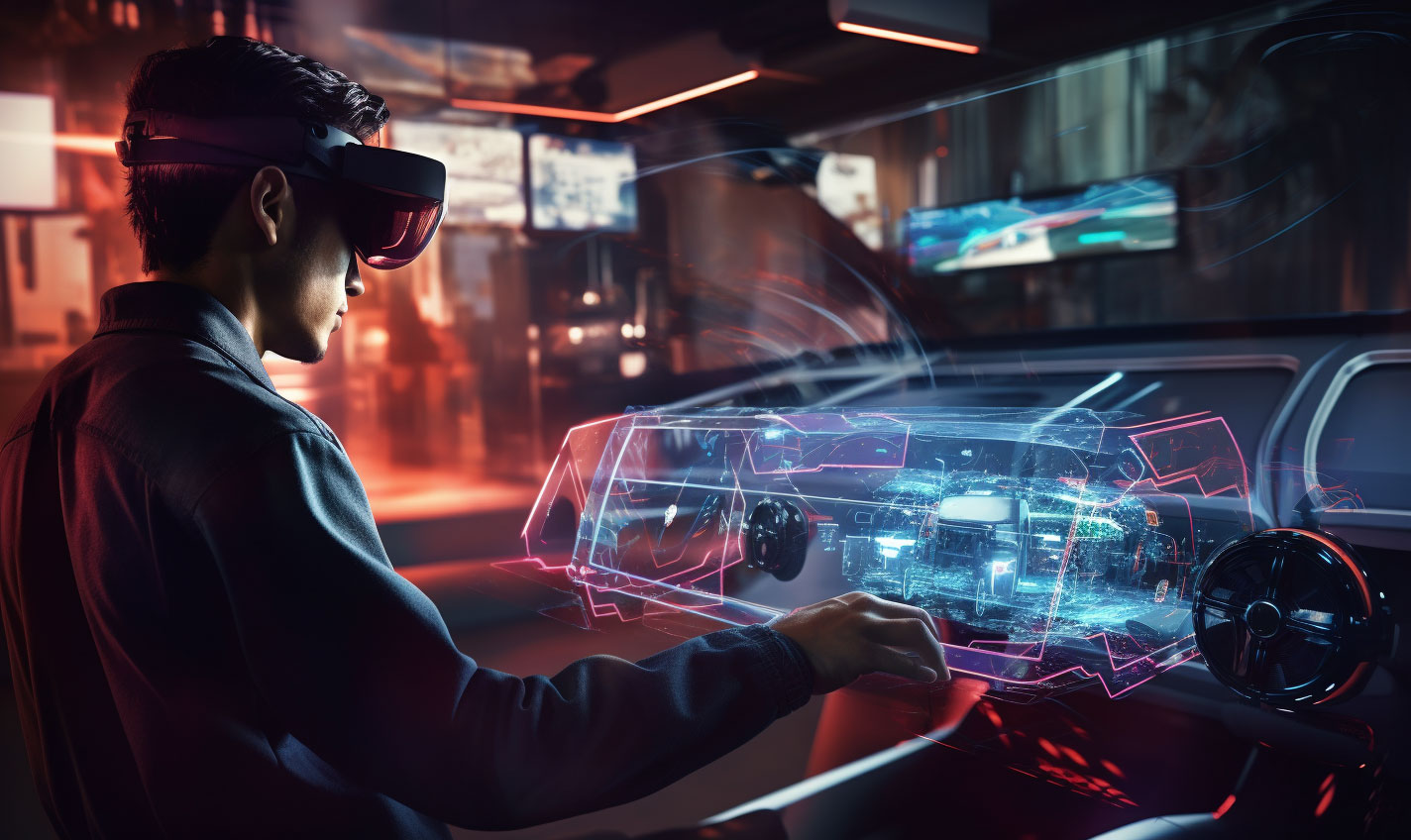
In the ever-evolving landscape of product design, staying ahead of the curve is essential to success. One technology that is revolutionizing the industry is the concept of digital twins. Digital twins offer a virtual representation of physical objects or systems, providing designers with a powerful tool for streamlining the product development process and enhancing overall efficiency. In this blog post, we’ll explore the advantages of digital twins in product design and how they are reshaping the way we create and innovate.
1. Real-Time Simulation and Testing
One of the key advantages of digital twins is their ability to enable real-time simulation and testing. By creating a virtual replica of a product or system, designers can simulate various scenarios and test different configurations without the need for physical prototypes. This not only accelerates the design iteration process but also reduces the time and cost associated with traditional prototyping methods. Whether it’s testing the performance of a new automotive engine or simulating the behavior of a complex manufacturing process, digital twins provide designers with invaluable insights that can inform decision-making and drive innovation.
2. Improved Collaboration and Communication
Digital twins facilitate improved collaboration and communication among cross-functional teams involved in the product development process. With a virtual representation of the product accessible to all stakeholders, designers, engineers, and other team members can easily share information, provide feedback, and collaborate on design changes in real-time. This level of transparency and accessibility fosters a more collaborative and iterative approach to product design, leading to faster decision-making and better outcomes.
3. Predictive Maintenance and Optimization
Another significant advantage of digital twins is their ability to enable predictive maintenance and optimization. By continuously monitoring the performance and behavior of a physical asset through its digital twin, manufacturers can anticipate potential issues before they occur and proactively address them to prevent downtime and costly repairs. Additionally, digital twins can be used to optimize the performance of assets by analyzing data and identifying areas for improvement. Whether it’s maximizing energy efficiency in a manufacturing plant or optimizing the performance of a complex industrial machine, digital twins empower manufacturers to achieve higher levels of efficiency and productivity.
4. Enhanced Customer Experience
Digital twins also have the potential to enhance the customer experience by providing greater visibility and insight into product performance and usage. By connecting the digital twin of a product to IoT sensors and other data sources, manufacturers can collect real-time data on how their products are being used in the field. This information can be used to improve product design, identify opportunities for new features or services, and deliver personalized experiences to customers. Whether it’s optimizing the user interface of a consumer electronics device or proactively addressing maintenance issues in a commercial HVAC system, digital twins enable manufacturers to better meet the needs and expectations of their customers.
Conclusion
In conclusion, digital twins are revolutionizing product design by offering a virtual representation of physical objects or systems that enables real-time simulation and testing, improved collaboration and communication, predictive maintenance and optimization, and enhanced customer experiences. As the technology continues to evolve and mature, digital twins will play an increasingly important role in helping manufacturers design, optimize, and deliver innovative products that meet the needs of today’s rapidly changing marketplace.